Eggs
are generally a staple in every American home. You'll be hard-pressed
to find one household in the United States that does no have at least
one egg in the refrigerator.
Eggs used to be gathered in a
basket or an apron and either used personally or sold to friends and
family. Considering that in 2017 the U.S. consumption was estimated at 274.2 eggs per person, the production, collection, and sales are accomplished
very differently.
 Food waste recycling is the process of diverting food that would otherwise be sent to landfills to either compost facilities or anaerobic digesters.
“Anaerobic digestion occurs naturally, in the absence of oxygen, as bacteria breaks down organic materials and produces biogas, which can then be used as an energy source.”
 Shredded paper is recyclable in any recycling process that accepts paper in their recycling bins.
There are, however, a few things we need to keep in mind as we put shredded paper into our recycling.
All paper consists of fibers and the longer the fiber, the more valuable the paper is during the recycling process. Since paper is generally recycled over and over, the fibers become shorter and may need to be "downcycled".
 1. "Only about one-tenth of all solid waste in the United States gets recycled.
2. Landfills are among the biggest contributors to soil pollution – roughly 80% of the items buried in landfills could be recycled.
3. Although 75% of America’s waste is recyclable, we only recycle around 30% of it.
 Disposable razors gained immediate popularity as a convenient alternative to the straightedge blade that had to be re-sharpened.
“In 1847 William Henson invented the hoe-shaped razor that most of us have in our medicine cabinets, and in 1895 a traveling salesman named King Camp Gillette (pictured) combined this shape with the idea of shaving with a disposable double-edged blade.
The resulting safety razor eventually made Gillette a fortune and solved the hassle of having to remove the razor's blade to sharpen it every few shaves.
 Although many products are recyclable, some have a higher number of times it can be recycled than others. Here’s a guide to the most commonly recycled commodities and how many times they can be recycled.
According to Alcoa, the world's third largest producer of aluminum, the aluminum can is infinitely recyclable. That means it can be used, recycled, and turned back into a new can endlessly. In fact, it can be recycled and back on the store shelf as a new beverage can in less than 60 days.
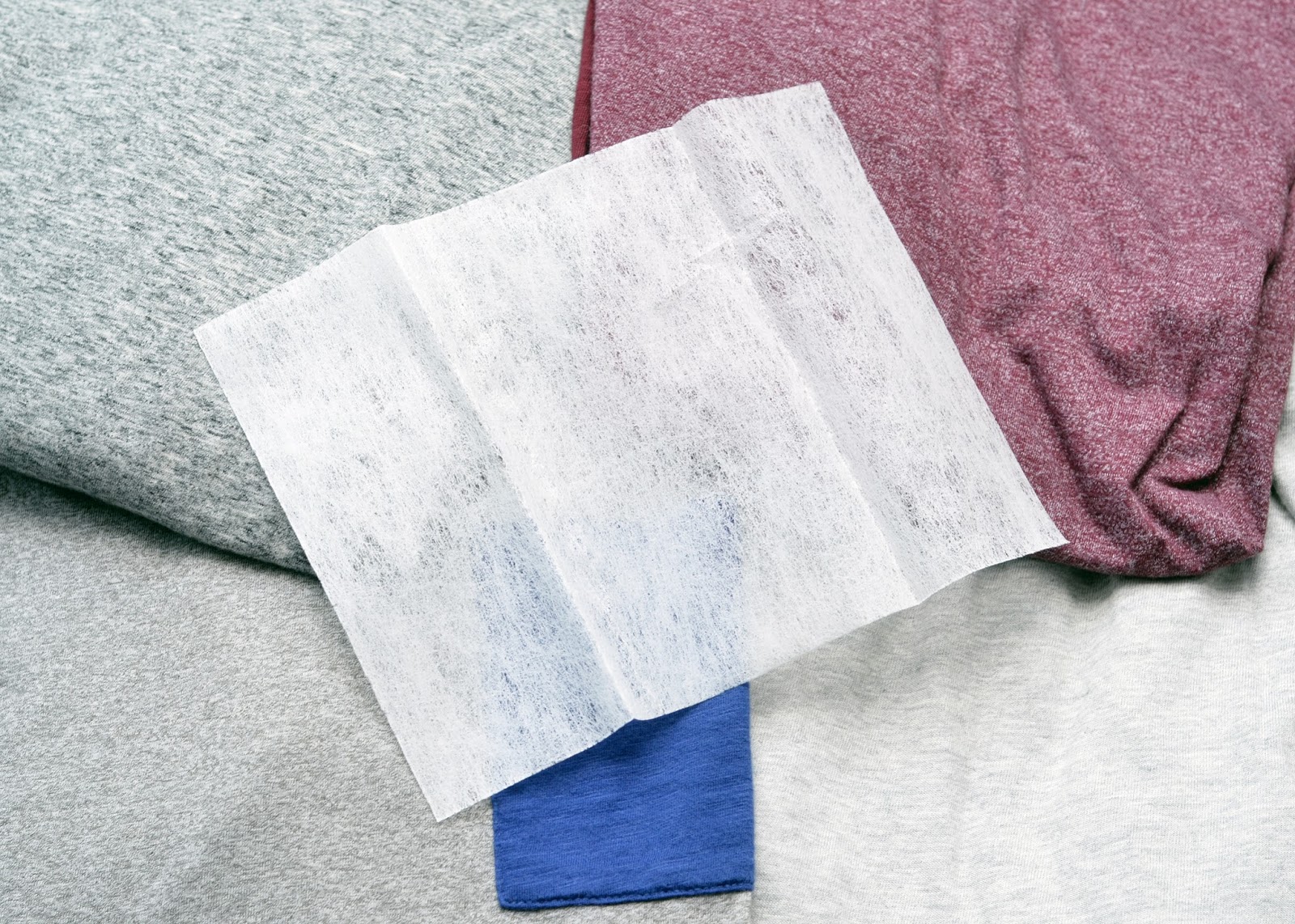
 “Dryer sheets are usually made of thin polyester that’s been covered in a fabric softener chemical and fragrance chemicals. Unfortunately, the wispy polyester isn’t recyclable.“
Most dryer sheets are made from a nonwoven polyester material coated with a softening agent that has a long hydrophobic chain.