Shredded paper is recyclable in any recycling process that accepts paper in their recycling bins.
There are, however, a few things we need to keep in mind as we put shredded paper into our recycling.
All paper consists of fibers and the longer the fiber, the more valuable the paper is during the recycling process. Since paper is generally recycled over and over, the fibers become shorter and may need to be "downcycled".
 1. "Only about one-tenth of all solid waste in the United States gets recycled.
2. Landfills are among the biggest contributors to soil pollution – roughly 80% of the items buried in landfills could be recycled.
3. Although 75% of America’s waste is recyclable, we only recycle around 30% of it.
 Disposable razors gained immediate popularity as a convenient alternative to the straightedge blade that had to be re-sharpened.
“In 1847 William Henson invented the hoe-shaped razor that most of us have in our medicine cabinets, and in 1895 a traveling salesman named King Camp Gillette (pictured) combined this shape with the idea of shaving with a disposable double-edged blade.
The resulting safety razor eventually made Gillette a fortune and solved the hassle of having to remove the razor's blade to sharpen it every few shaves.
 Although many products are recyclable, some have a higher number of times it can be recycled than others. Here’s a guide to the most commonly recycled commodities and how many times they can be recycled.
According to Alcoa, the world's third largest producer of aluminum, the aluminum can is infinitely recyclable. That means it can be used, recycled, and turned back into a new can endlessly. In fact, it can be recycled and back on the store shelf as a new beverage can in less than 60 days.
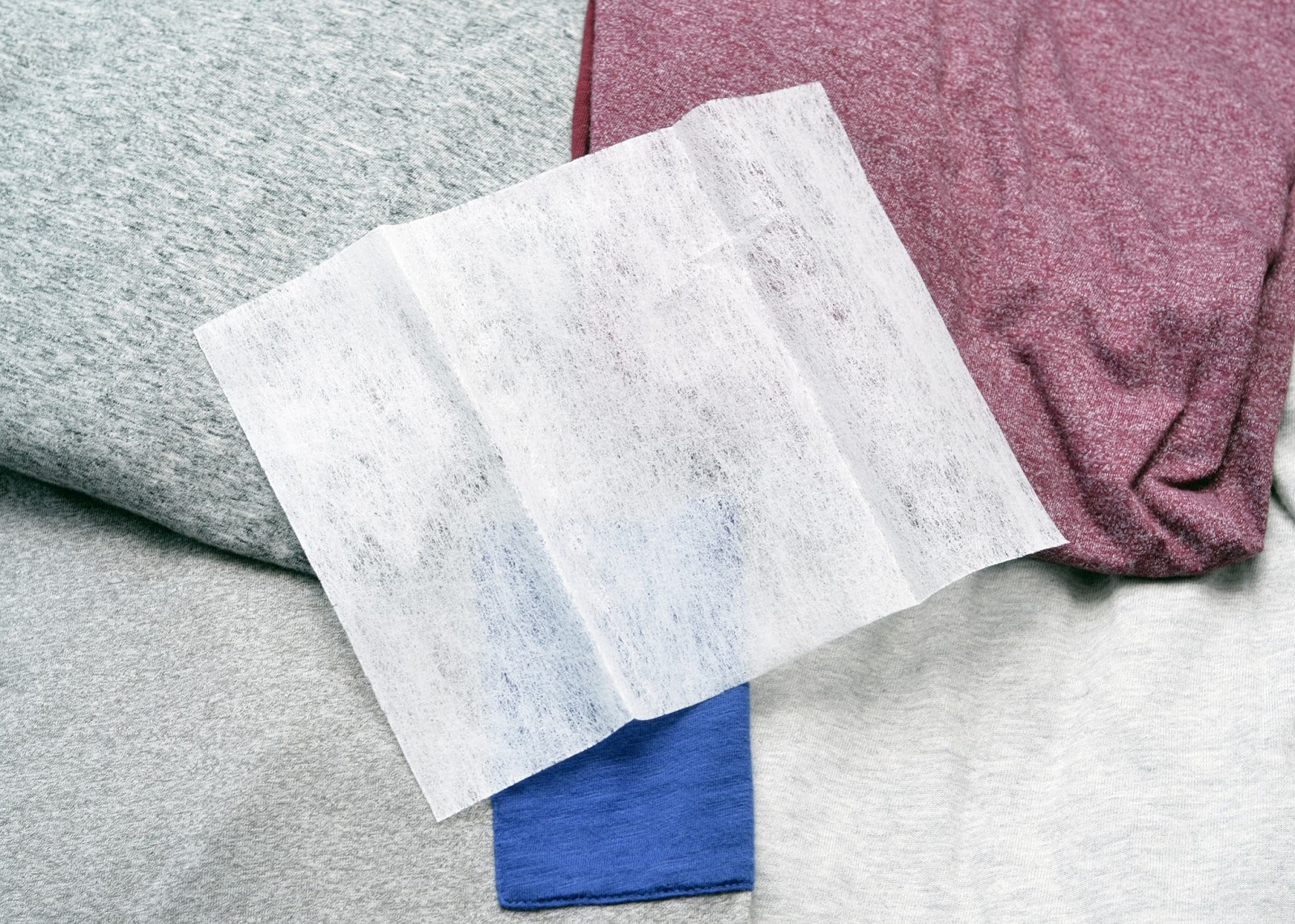
 “Dryer sheets are usually made of thin polyester that’s been covered in a fabric softener chemical and fragrance chemicals. Unfortunately, the wispy polyester isn’t recyclable.“
Most dryer sheets are made from a nonwoven polyester material coated with a softening agent that has a long hydrophobic chain.
 Plastic bag closures, the plastic hook-like piece commonly used to hold bread products closed, are widely used across the world in countries like the United States, Canada, Ireland, Australia and Japan. “They are also commonly called bread tags, bread tabs, bread ties, bread clips or bread-bag clips”.
“According to the Kwik Lok website, the idea for the bread clip came to Floyd Paxton, Kwik Lok’s founder, during a flight in 1952….while he was on the plane, Paxton was eating a package of complimentary nuts, and he realized he didn’t have a way to close them if he wanted to save some for later. As a solution, he took out a pen knife and hand-carved the first bread clip out of a credit card”.
 Magazines and catalogs are usually made of a higher weight paper with a glossy finish.
“Magazines are made from paper that's been buffed and coated to achieve a glossy appearance. Next, the paper is covered with a white clay that makes color photographs look more brilliant. The shiny appearance does not contaminate the paper at all.

 Shredded paper is recyclable in any recycling process that accepts paper in their recycling bins.